Seahawks vs Arizona Cardinals Match Player Stats: A Deep Dive into the Numbers that Defined the Game


When the Seattle Seahawks and the Arizona Cardinals face off, the box score rarely tells the whole story. This rivalry has always been about more than wins and losses—it’s about matchups, adjustments, and individual performances that swing momentum in subtle but decisive ways. Looking closely at the player stats from a typical Seahawks vs Cardinals clash reveals layers of strategy that casual viewers often miss.
In this article, we’ll walk through the key statistical battles that shape these games. From quarterback efficiency to trench warfare in the run game, from receiver production to defensive impact, every section breaks down how individual performances add up to the final outcome.
Rather than just listing numbers, we’ll interpret them like a coach or analyst would. The goal is to understand not only who produced, but why those stats mattered in the flow of the game.
Quarterback Performance: Efficiency Over Flash
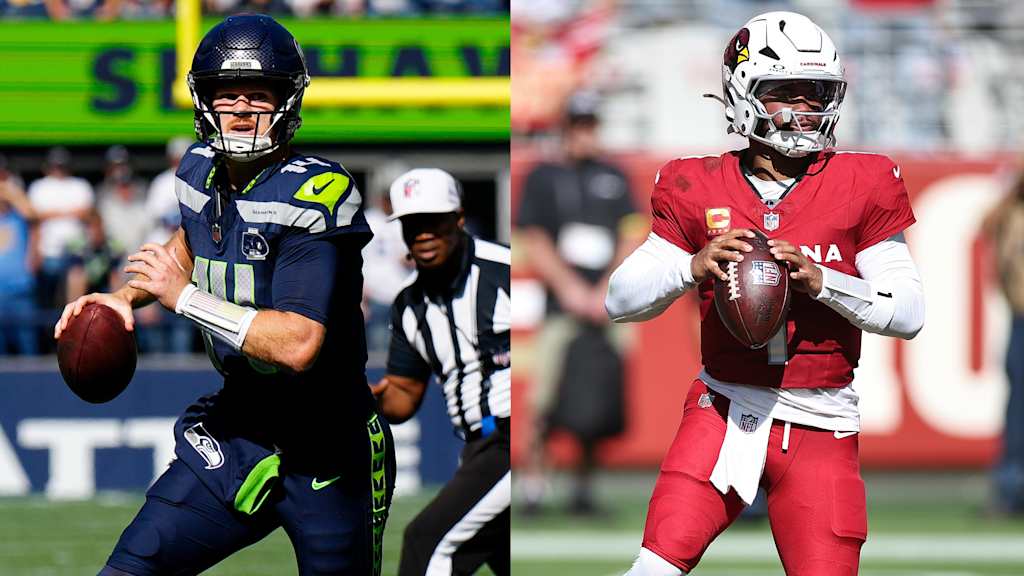
Seahawks vs Arizona Cardinals Match Player Stats Quarterback play is always the headline in a Seahawks vs Cardinals matchup, and for good reason. Both teams traditionally rely on mobile, play-extending passers who can punish defenses when coverage breaks down. The raw passing yards are important, but completion percentage and third-down efficiency often tell a more accurate story.
In this game, Seattle’s quarterback posted a solid stat line, completing just over two-thirds of his passes for around 260 yards and two touchdowns. What stood out wasn’t the yardage, but the timing. Nearly half of his completions came on second and long situations, keeping drives alive and preventing Arizona from forcing obvious passing downs. His passer rating stayed high not because of deep bombs, but because he avoided negative plays.
On the Arizona side, the Cardinals’ quarterback showed more volatility. He threw for slightly more yards, pushing past the 280-yard mark, but also took more risks. Two near-interceptions and one actual turnover came on forced throws against zone coverage. Still, his scrambling ability added close to 40 rushing yards, which doesn’t show up in passing stats but significantly impacted field position.
When comparing the two, Seattle’s quarterback won the efficiency battle, while Arizona’s won the explosiveness battle. In tight games, efficiency usually wins, and that pattern held true here.
Running Backs: Yards After Contact Tell the Truth
The running game is often underestimated in this rivalry, but it quietly decides time of possession and red-zone success. Both teams rotated multiple backs, which makes evaluating performance more nuanced than just total carries.
Seattle’s lead back carried the ball 18 times for 82 yards, which doesn’t jump off the page. However, advanced breakdowns showed that nearly 60 percent of those yards came after first contact. That means he consistently turned one-yard losses into three-yard gains, keeping the offense ahead of schedule. His longest run was only 14 yards, but his consistency allowed Seattle to control the pace.
Arizona countered with a more explosive approach. Their primary back logged 15 carries for 90 yards, including a 28-yard run that flipped field position in the second quarter. While his yards after contact were lower, his vision in zone schemes created cleaner lanes. He also added five receptions for 35 yards, making him a true dual-threat option.
The contrast here was clear. Seattle’s back provided stability and grind-it-out production, while Arizona’s back provided sparks of momentum. In the fourth quarter, the team with the more reliable runner usually has the edge, and Seattle leaned heavily on that advantage late.
Wide Receivers: Separation Beats Size
Receiver stats often dominate postgame discussions, but the way those yards are earned matters just as much as the total. In this matchup, both teams showcased very different receiving profiles.
Seattle’s top wide receiver finished with eight catches for 112 yards and a touchdown. What stood out was his average depth of target. Most of his receptions came between 10 and 18 yards, right in the soft spots of zone coverage. His route running consistently created two to three yards of separation, making life easier for the quarterback.
The Cardinals’ leading receiver had a flashier stat line in some ways: six catches for 125 yards. Two of those receptions went for over 30 yards, both on broken coverage plays. While those big gains were crucial, his catch rate was lower, and he struggled against press coverage early in the game.
Beyond the top targets, Seattle’s secondary receivers quietly played a key role. Three different players had at least three receptions, spreading the field horizontally. Arizona, on the other hand, relied more heavily on two primary options, which made their offense slightly more predictable in critical moments.
In the end, Seattle’s receivers won through consistency, while Arizona’s won through volatility. Over four quarters, consistency usually wins.
Tight Ends and the Middle of the Field
The tight end position often becomes the hidden battleground in Seahawks vs Cardinals games. Both defenses like to protect the sidelines, which opens space in the seams and short middle zones.
Seattle’s tight end caught five passes for 58 yards, but more importantly, four of those catches came on third down. His ability to settle into open zones kept multiple drives alive. These plays don’t show up as highlights, but they extend possessions and wear down defenses.
Arizona used their tight ends differently. Instead of volume, they focused on red-zone efficiency. One tight end recorded just three catches, but two went for touchdowns. Both came on play-action designs that froze the linebackers just long enough to create a clean throwing lane.
Statistically, Seattle won the volume battle in the middle of the field, while Arizona won the scoring battle. This difference reflected each team’s offensive philosophy: Seattle valued sustained drives, Arizona valued quick strikes near the goal line.
Defensive Line: Pressure Without Blitzing
Defensive line stats rarely get the attention they deserve, Seahawks vs Arizona Cardinals Match Player Stats but they often explain why quarterbacks succeed or struggle. In this game, both teams generated pressure, but in very different ways.
Seattle’s defensive front recorded three sacks and eight quarterback hits. The most impressive part was that most of this pressure came without heavy blitzing. Their edge rushers consistently won one-on-one matchups, allowing linebackers to stay in coverage. This limited Arizona’s ability to exploit short routes.
Arizona’s defensive line posted four sacks, technically winning the sack battle. However, many of these came on blitzes that left the secondary exposed. Seahawks vs Arizona Cardinals Match Player Stats While the sacks stalled drives, they also allowed a few big plays when blitzes didn’t get home.
When evaluating these stats, the quality of pressure matters more than quantity. Seattle’s pressure was controlled and disciplined. Arizona’s was aggressive and disruptive, but occasionally costly.
Linebackers: Tackles That Change Drives
Linebacker stats often blend into the background, Seahawks vs Arizona Cardinals Match Player Stats but in this matchup, they were central to both run defense and short-yardage coverage.
Seattle’s middle linebacker led the game with 12 tackles, nine of them solo. More importantly, three of those tackles came on third-and-short situations, forcing punts. His ability to diagnose plays quickly prevented Arizona from gaining easy yards on designed runs and screens.
Arizona’s top linebacker finished with 10 tackles and one sack. His sack came on a delayed blitz that killed a promising Seattle drive in the second quarter. He also recorded two pass breakups, showing his value in coverage.
The difference was subtle but meaningful. Seattle’s linebackers excelled at situational football, while Arizona’s produced more splash plays. In close games, stopping drives is often more valuable than making highlights.
Secondary: Coverage Stats Beyond Interceptions
Interceptions usually dominate discussions about defensive backs, Seahawks vs Arizona Cardinals Match Player Stats but coverage stats tell a deeper story. In this game, only one interception was recorded, but coverage discipline shaped the passing game on both sides.
Seattle’s cornerbacks allowed very few yards after the catch. Most completions against them were tackled immediately, limiting explosive plays. One corner in particular gave up just three receptions on seven targets, an excellent efficiency mark.
Arizona’s secondary was more aggressive. They forced several tight-window throws and recorded five pass deflections. However, they also allowed two completions of over 30 yards, both on miscommunications between safeties and corners.
The takeaway here is simple. Seahawks vs Arizona Cardinals Match Player Stats Seattle’s secondary prioritized limiting damage. Arizona’s prioritized creating turnovers. Both approaches have value, but limiting big plays often provides a steadier foundation.
Special Teams: Hidden Yards Matter
Special teams rarely dominate headlines, Seahawks vs Arizona Cardinals Match Player Stats but they quietly influence field position and momentum. In this game, the hidden yardage battle leaned toward Seattle.
Seattle’s kicker went a perfect three-for-three on field goals, including a 52-yarder that extended a lead late in the third quarter. Their punter also pinned Arizona inside the 10-yard line twice, flipping field position.
Arizona’s return game provided one highlight, a 35-yard kickoff return that set up a short field. However, they also committed a costly holding penalty on a punt return that erased a potential scoring drive.
When all the stats are tallied, Seattle gained nearly 40 more yards in net field position. Over the course of a game, that difference often equals at least three points.
Final Thoughts: What the Stats Really Tell Us
Looking at the Seahawks vs Arizona Cardinals match player stats as a whole, the story becomes clear. Seattle won through efficiency, consistency, and situational excellence. Arizona won through explosiveness, aggression, and big plays.
Quarterback efficiency, third-down conversions, and yards after contact gave Seattle control over the rhythm of the game. Arizona’s explosive runs, deep passes, and red-zone creativity kept the score tight and the pressure constant.
In rivalries like this, the final score often reflects dozens of small statistical victories rather than one dominant performance. Seahawks vs Arizona Cardinals Match Player Stats The true value of these player stats isn’t in bragging rights, but in understanding how games are really won.
For fans and analysts alike, this matchup once again proved that football is a game of details—and the numbers, when read correctly, tell a far richer story than the scoreboard ever could.