Isabelle de Caires: A Quiet Cultural Force Bridging Heritage, Family, and Identity


When a name carries family legacy, cultural depth, and cross-continental relevance, it deserves more than a glance—it deserves context. Isabelle de Caires is one such figure. Known to many as the wife of former England cricket captain Mike Atherton and the mother of professional cricketer Josh de Caires, Isabelle’s own story is rich with heritage, intellectual engagement, and quiet influence. Her life intertwines Caribbean roots, journalistic heritage, cultural advocacy, and family legacy—shaping her into a figure far more nuanced than what headlines alone might suggest.
Origins and Early Life: Rooted in Guyanese Heritage
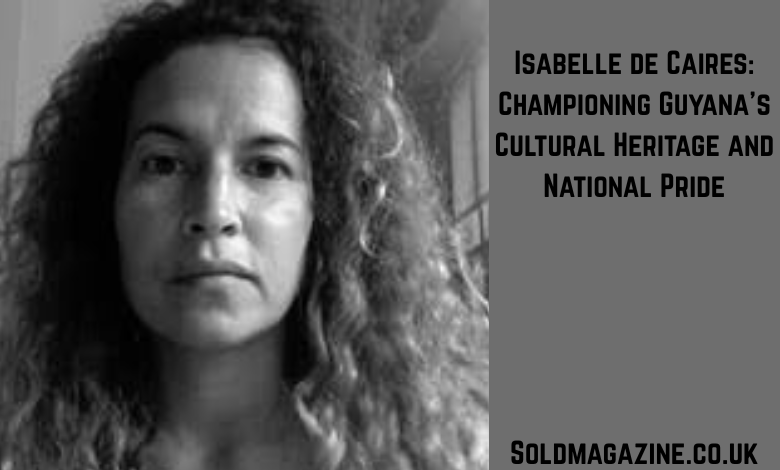
Isabelle de Caires was born in Guyana, a nation celebrated for its cultural diversity and storied history. Growing up in this vibrant environment gave her an early sense of identity deeply connected to community and intellectual engagement. She was immersed in a social landscape where ideas, literature, and discussions about politics and society were highly valued, shaping her early worldview.
Her family background laid strong foundations for her later life. Isabelle is the daughter of David de Caires, a highly respected lawyer, journalist, and media pioneer who founded a leading newspaper in Guyana. Her father’s work in independent journalism and commitment to democratic debate created a household where intellectual curiosity and critical thinking were the norm.
But her heritage goes even further back. Isabelle’s grandfather, Frank de Caires, was a West Indies Test cricketer in the early 20th century. Cricket wasn’t just a sport in the family—it was part of identity and legacy, linking culture, colonial history, and public life across generations. This rich background meant that Isabelle grew up in an environment where cultural awareness and thoughtful discussion were woven into daily life.
Education, Personal Development, and Values
While specific details about Isabelle’s formal education are not widely documented, her upbringing was clearly steeped in intellectual and cultural exposure. Being surrounded by thinkers, writers, and community leaders from a young age instilled in her values of critical thinking, cultural pride, and civic responsibility.
Her father’s work in journalism and public service influenced her approach to life. Isabelle has demonstrated a strong understanding of heritage, governance, national identity, and community engagement throughout her life. She approaches challenges with thoughtfulness and a desire to maintain continuity with cultural traditions.
Rather than seeking the limelight for personal recognition, Isabelle’s contributions emphasize depth, substance, and cultural legacy—qualities that reflect her formative influences and personal priorities. She embodies a type of leadership that thrives quietly, through action rather than public attention.
Moray House Trust: Cultural Advocacy and Civic Engagement
One of the central pillars of Isabelle de Caires’s public life is her role in the Moray House Trust, a cultural initiative established in Georgetown, Guyana, in memory of her late father. The Trust was founded to preserve and expand Guyana’s cultural heritage, support the arts, and create spaces for intellectual and community engagement.
The Trust’s mission includes organizing talks, exhibitions, and cultural events that promote artistic expression and critical dialogue. By facilitating platforms for writers, scholars, artists, and the public, the Moray House Trust creates a vibrant cultural ecosystem where ideas can be exchanged freely and thoughtfully.
Isabelle serves as a trustee and active participant, not as a figurehead, but as a steward. Her work involves organizing and moderating discussions, particularly on topics such as heritage, art, history, and national identity. Through her involvement, she demonstrates leadership rooted in cultural preservation rather than personal praise.
Under her guidance, the Trust has become a space where Guyanese cultural identity can be celebrated, interrogated, and passed on to future generations—an important contribution in a country that is continuously evolving.
Life with Mike Atherton: A Cross-Continental Personal Story
Many people first encounter Isabelle’s name in relation to her marriage to Mike Atherton, the former England cricket captain and cricket journalist. Mike led the England team through much of the 1990s and, after retirement, became an influential voice in cricket media.
Their relationship has been described as one grounded in shared respect, intellectual curiosity, and mutual cultural interest. The couple reportedly met in Guyana during a cricket-related project, reflecting the intersection of both their worlds—sport and culture.
Despite her husband’s public profile, Isabelle prefers a more private life. She supports his work and participates fully in family life while maintaining her focus on culture, community, and intellectual contribution. Their relationship illustrates a balance between public prominence and personal values, highlighting the importance of substance over appearance.
Next Generation: Cricket, Identity, and Legacy
The athletic and cultural legacy of the de Caires-Atherton family continues into the next generation. Their elder son, Josh de Caires, has pursued professional cricket with Middlesex County Cricket Club and represented England’s youth teams. Josh embodies a unique blend of both sides of his family’s heritage—the Caribbean cricket lineage of his maternal grandfather and the English sporting tradition of his father.
Josh’s cricketing journey lends continuity to a three-generation story—from West Indies Test cricket to English county cricket. It exemplifies how heritage can evolve and find relevance where culture and aspiration meet.
Isabelle’s younger son maintains a more private life, but the family’s focus on identity, values, and continuity remains consistent. Through motherhood, cultural advocacy, and lived example, Isabelle has helped shape a family that embraces its past while looking forward to the future.
Public Engagement, Writings, and Viewpoints
Although Isabelle does not pursue media fame, she has contributed to public discourse through letters and opinion pieces in the Guyanese press. These writings often touch on topics ranging from urban development and environmental concerns to cultural preservation and national identity.
Her perspectives are informed by personal experience and cultural history. They show a thoughtful person who considers the implications of governance, community dynamics, and heritage—and who takes the responsibility to speak when issues matter.
In a world increasingly dominated by soundbites, her measured contributions stand out as substantive, informed, and rooted in long-term cultural memory. Her voice represents the intersection of intellect, heritage, and civic engagement.
The Legacy of a Quiet Cultural Force
Isabelle de Caires may not be a household name in mainstream culture, but her influence is real and enduring. She embodies leadership that functions not through appearances, but through human connection, intellectual stewardship, and generational continuity.
Her story underscores a simple truth: influence does not require limelight—it requires commitment. She demonstrates that one can make a lasting impact quietly, by fostering cultural awareness, preserving heritage, and guiding the next generation.
Her life is a testament to continuity and quiet impact—carried by family legacy, grounded in cultural purpose, and expressed through meaningful engagement with the communities she cherishes. Isabelle de Caires represents a rare combination of heritage, intellect, and humility that leaves an enduring imprint on her family and society.
In summary, Isabelle de Caires’s narrative is rich with connection—between past and present, Caribbean and British worlds, journalism and culture, sport and identity. Her life serves as a compelling example of how heritage and purpose can coexist to create meaningful influence without fanfare.