Iconic Hollywood Fast Food: How Burgers, Fries, and Milkshakes Became Movie Legends

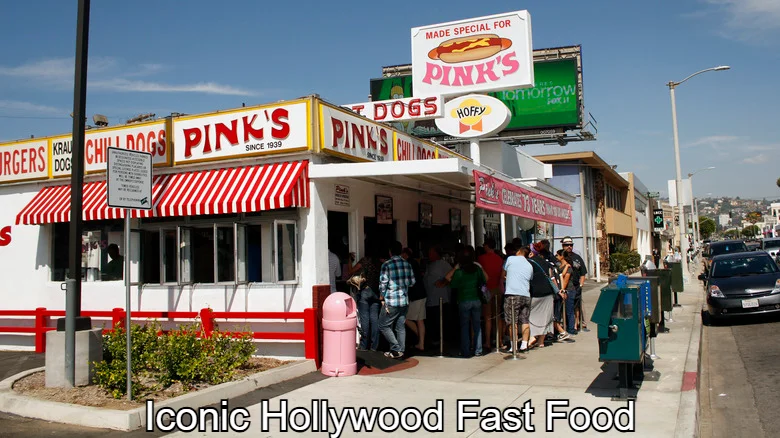
Hollywood has always known how to turn the ordinary into something unforgettable. A simple diner booth, a greasy paper bag, or a neon-lit drive-thru can suddenly feel larger than life when framed by the right camera angle and the right line of dialogue. Over the decades, fast food has become more than a background detail in films—it has become a storytelling device, a cultural marker, and in many cases, an icon in its own right.
When we talk about “iconic Hollywood fast food,” we’re not just talking about famous brands or recognizable logos. We’re talking about the way meals on screen shape characters, reveal social class, build atmosphere, and even influence what audiences crave in the real world. From late-night diners to fictional burger joints, fast food has played a surprisingly deep role in cinematic history.
This article explores how fast food earned its place in Hollywood mythology, how it reflects American culture, and why these on-screen meals still matter today.
The Birth of Fast Food as a Hollywood Symbol
In early Hollywood, food was rarely the star of the scene. Iconic Hollywood Fast Food Meals existed mainly to move the plot along or give characters something to do with their hands. But as American fast food culture exploded in the mid-20th century, filmmakers began to realize that burgers and fries could say a lot about who their characters were and where they came from.
During the post-war boom, diners and drive-ins became symbols of freedom, youth, and mobility. Teenagers met over milkshakes, truckers stopped for greasy breakfasts, and families gathered for quick meals between errands. When Hollywood started capturing these spaces on film, fast food naturally became shorthand for modern American life.
By the 1950s and 1960s, the diner scene had become a visual language of its own. A chrome counter and spinning stools could instantly tell the audience that a character was working class, restless, or on the road. A drive-in tray hanging from a car window signaled romance, rebellion, or small-town routine.
Over time, these settings stopped being just realistic details and started becoming symbols. Fast food in movies began to represent speed, convenience, consumerism, and the rhythm of everyday life. It was no longer just what characters ate—it was part of who they were.
As Hollywood matured, so did its relationship with fast food. What started as background scenery evolved into a powerful storytelling tool that could define tone, era, and identity in a single shot.
Fictional Fast Food Joints That Became Legendary
Some of the most iconic fast food in Hollywood doesn’t exist in the real world at all. Fictional restaurants have often left a deeper mark on pop culture than any real brand ever could.
These invented eateries give filmmakers total creative freedom. Iconic Hollywood Fast Food They can design logos, menus, and interiors that perfectly match the world of the film. A fictional burger joint can feel nostalgic, gritty, stylish, or absurd, depending on the story’s needs.
Think about how often a made-up diner becomes a character in its own right. The layout, the staff, the regular customers—all of it helps build a sense of place. Viewers may forget side characters, but they often remember the name of the restaurant where everything happened.
These fictional fast food spots also allow directors to avoid dating their films too precisely. Real brands change logos, menus, and reputations over time. A made-up restaurant, frozen in a single moment, can remain timeless.
Beyond that, fictional fast food joints often become cult favorites. Fans recreate their menus at home, design merchandise, and even open real-life tributes inspired by movies. In these cases, fast food stops being a prop and becomes part of the film’s legacy.
What makes these places iconic is not just their design, but how they’re used. Conversations that define characters, confrontations that shift the plot, and quiet moments of reflection often happen over fries and soda. The setting feels casual, but the storytelling is anything but.
How Fast Food Scenes Reveal Character and Class
One of the most powerful uses of fast food in Hollywood is as a tool for character development. Where someone eats, what they order, and how they behave around food can reveal more than pages of dialogue.
A character who eats alone at a late-night diner immediately feels different from someone hosting a lavish dinner party. A hurried drive-thru order suggests a life in motion, while lingering over coffee in a booth hints at someone searching for answers. Fast food settings are democratic spaces where rich and poor, heroes and villains, can sit side by side.
These scenes often highlight social class without stating it outright. Iconic Hollywood Fast Food Cheap burgers, paper cups, and plastic trays subtly place characters in a certain economic world. Even when wealthy characters appear in fast food restaurants, the contrast usually carries meaning—perhaps they’re slumming it, hiding, or trying to feel normal.
Fast food also exposes personality. The picky eater, the messy one, the one who steals fries, the one who orders the same thing every time—all of these small choices help make characters feel real. Audiences recognize these behaviors because they mirror everyday life.
In many films, fast food becomes a safe space for honesty. Characters confess fears, plan crimes, or fall in love while chewing on fries. The casual setting lowers defenses and makes emotional moments feel more authentic.
This is why these scenes endure. They don’t just show people eating. They show people being human in a place that feels familiar to everyone.
The Influence of Hollywood on Real-World Fast Food Culture
The relationship between Hollywood and fast food doesn’t flow in only one direction. While movies reflect real eating habits, they also shape them in powerful ways.
A single memorable scene can turn an ordinary meal into a cultural obsession. Viewers leave theaters craving what they just watched, even if it’s nothing more than a simple burger and shake. Over time, certain combinations become legendary purely because of their on-screen presence.
Hollywood also influences how fast food brands market themselves. When a type of meal becomes associated with cool, rebellious, or nostalgic characters, companies often lean into that image. Packaging, advertising, and even restaurant design borrow from cinematic aesthetics.
In some cases, fictional fast food becomes so popular that real versions are created. Pop-up restaurants, limited-time menus, and themed diners all trace their origins back to movies that made food look irresistible.
This influence goes deeper than cravings. Iconic Hollywood Fast Food Hollywood helps define what fast food represents. Sometimes it’s freedom and youth. Sometimes it’s loneliness and routine. Sometimes it’s excess and emptiness. These meanings shape how audiences think about what they eat.
In this way, iconic Hollywood fast food becomes part of a cultural feedback loop. Movies reflect society, society imitates movies, and fast food sits right at the center of that exchange.
Why Fast Food Remains a Timeless Hollywood Motif
Despite changing diets, health trends, and culinary fashions, fast food remains a constant presence in film. There’s a reason for that, and it has little to do with taste.
Fast food is universal. Almost everyone has eaten it, smelled it, or at least recognizes it. This makes it a perfect visual shorthand. A single shot of a paper bag and a soda cup instantly grounds the audience in a familiar world.
Fast food is also flexible. It can appear in comedies, thrillers, romances, and dramas without feeling out of place. It can be comforting or depressing, glamorous or pathetic, depending on how it’s framed.
Most importantly, fast food represents time. It reflects the pace of modern life, the pressure to keep moving, and the small rituals people use to cope with busy days. When characters eat fast food, they are participating in a shared cultural rhythm.
As Hollywood continues to evolve, so will its portrayal of food. But burgers, fries, and milkshakes will likely never disappear from the screen. They are too deeply woven into the fabric of American storytelling.
Iconic Hollywood fast food is not about calories or menus. Iconic Hollywood Fast Food It’s about memory, identity, and the strange magic that happens when ordinary meals become part of extraordinary stories.
And in the end, that might be the most remarkable thing of all: how something as simple as a burger in a paper wrapper can become a piece of cinematic history.
