Do the Driving Modes in the Cadillac Lyriq Offer Different Ranges or Battery Usages?

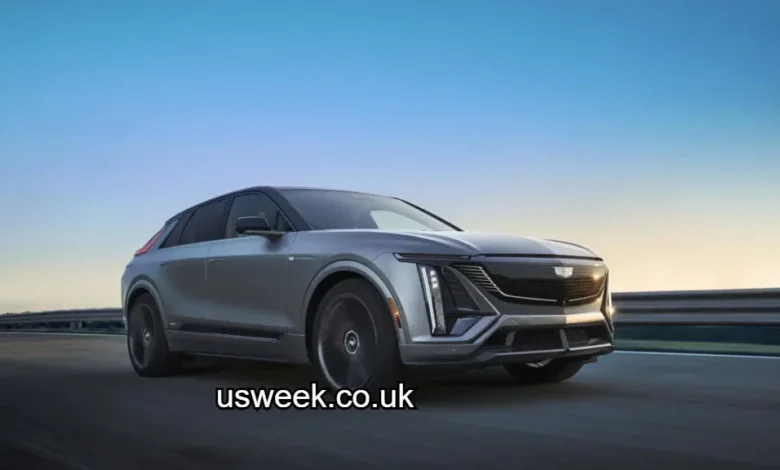
Electric vehicles have changed the way we think about driving, efficiency, and performance, and the Cadillac Lyriq is one of the most impressive examples of that shift. As Cadillac’s flagship electric SUV, the Lyriq blends luxury with modern EV technology, and one of its most talked-about features is its selection of driving modes.
A common question from new and potential owners is simple but important: Do the driving modes in the Cadillac Lyriq actually change the range or battery usage? The short answer is yes—they absolutely do. The longer answer is more interesting, because the way they affect range depends on how the vehicle manages power, regenerative braking, and driver behavior in each mode.
In this article, we’ll walk through how the Lyriq’s driving modes work, how each one influences battery consumption, and what that means for your real-world range. We’ll keep it casual, practical, and grounded in how the car behaves in everyday driving.
Understanding How Driving Modes Affect an Electric Vehicle
Before getting into specific modes, it’s helpful to understand what “driving modes” actually change in an electric vehicle. Unlike gasoline cars, where modes often adjust transmission behavior and engine mapping, EV modes are mostly about how electrical energy is delivered and recovered.
In the Cadillac Lyriq, driving modes control several key systems. Throttle response determines how quickly the motors respond when you press the accelerator. Regenerative braking settings decide how aggressively the car slows down and sends energy back into the battery when you lift off the pedal. Steering feel and traction control behavior are also adjusted, especially in performance and winter-focused modes.
These changes directly influence battery usage. Faster acceleration draws more current from the battery. Reduced regenerative braking means more energy is lost as heat instead of being recovered. Extra stability systems can consume more electrical power. Over time, all of these small differences add up to noticeable changes in efficiency and range.
Another important point is that driving modes don’t magically increase or decrease the battery’s capacity. The Lyriq’s battery pack is the same no matter what mode you’re in. What changes is how efficiently the car uses the energy stored in that pack. Think of it less like adding fuel and more like choosing how quickly you burn it.
With that foundation in mind, let’s take a closer look at how each driving mode in the Cadillac Lyriq affects range and battery consumption.
Tour Mode: The Best Balance for Everyday Efficiency
Tour Mode, sometimes called Normal mode, is the default driving setting for most Lyriq models. This is the mode Cadillac designed for everyday use, and it’s the one that delivers the most consistent and predictable efficiency.
In Tour Mode, throttle response is smooth and progressive. The car doesn’t leap forward aggressively when you touch the accelerator, which helps limit sudden power spikes that drain the battery quickly. Acceleration still feels strong—this is an electric Cadillac, after all—but it’s controlled in a way that favors steady energy use.
Regenerative braking is also well balanced in this mode. When you lift off the accelerator or brake gently, the system recovers a healthy amount of energy and sends it back into the battery. Over the course of city driving, this regeneration can make a significant difference in how far you can go on a charge.
For most drivers, Tour Mode delivers the highest real-world range. If the Lyriq is rated for around 314 to 326 miles depending on configuration, Tour Mode is the setting most likely to get you close to those numbers under reasonable conditions. On highways, it keeps power delivery steady. In the city, it maximizes regeneration during stop-and-go traffic.
In practical terms, Tour Mode is the choice you should leave the car in if your goal is simple: go as far as possible on each charge without sacrificing comfort or drivability.
Sport Mode: More Excitement, More Energy Use
Sport Mode is where the Lyriq shows off its performance personality. Throttle response becomes sharper, steering often feels heavier and more direct, and acceleration becomes noticeably more aggressive. It’s a fun mode, especially for passing, merging, or just enjoying the instant torque electric motors provide.
But that excitement comes at a price.
In Sport Mode, the motors draw more current more often. Quick acceleration pulls large amounts of energy from the battery in short bursts. Regenerative braking is usually toned down slightly to preserve smoothness and maintain a sporty driving feel. That means less energy gets recovered when slowing down.
The result is higher energy consumption per mile. In real-world driving, Sport Mode can reduce total range by roughly 10 to 20 percent compared to Tour Mode. If you normally see over 300 miles of range in efficient driving, sustained use of Sport Mode might bring that down closer to 250 or even lower, depending on how aggressively you drive.
This doesn’t mean Sport Mode is “bad.” It simply means it prioritizes performance over efficiency. For short trips, spirited driving, or situations where you want maximum responsiveness, the trade-off is perfectly reasonable. But if you’re heading out on a long trip or trying to stretch a charge, Sport Mode is not your best option.
Snow and Ice Mode: Stability First, Efficiency Second
Snow and Ice Mode is designed for low-traction conditions, and its main goal is safety rather than performance or efficiency. In this mode, throttle response is softened to prevent wheel spin, and traction and stability control systems become more aggressive.
These adjustments do affect battery usage, though usually not as dramatically as Sport Mode. Because the throttle is gentler, sudden power spikes are limited, which can actually help efficiency in some situations. However, the increased activity from traction control systems and the altered torque delivery usually cause a small increase in energy consumption.
In practice, Snow and Ice Mode tends to reduce range slightly compared to Tour Mode, often in the range of 5 to 10 percent. The exact impact depends heavily on road conditions. On dry pavement, the extra stability systems may run more than necessary, using extra energy. On actual snow or ice, the mode can improve efficiency by preventing wheel slip, which wastes energy.
This mode highlights an important truth about EVs: sometimes using a little more energy is worth it for better control and safety. Losing a few miles of range is a small price to pay for maintaining stability in difficult weather.
My Mode: Customization Comes With Responsibility
My Mode is one of the Lyriq’s most interesting features because it allows you to customize how the vehicle behaves. You can adjust throttle response, steering feel, braking behavior, and sometimes regenerative braking levels to suit your preferences.
Because My Mode is so flexible, its effect on range varies widely. If you set it up to mimic Tour Mode with gentle throttle and strong regeneration, your efficiency will stay high. If you configure it closer to Sport Mode with aggressive throttle and reduced regeneration, your battery usage will increase accordingly.
This makes My Mode powerful but also unpredictable if you’re not paying attention. Two drivers using My Mode could see very different range results based on how they’ve tuned their settings and how they drive.
For drivers who understand how these systems work, My Mode can be an excellent way to fine-tune efficiency. For example, you might want light steering and strong regeneration but moderate throttle response. That combination can deliver comfort and good range at the same time.
The key is awareness. My Mode doesn’t automatically optimize efficiency. It gives you control, and with that control comes responsibility for how much energy you use.
The Role of Regenerative Braking in Range Differences
One of the biggest reasons driving modes change range in the Lyriq is regenerative braking. This system recovers kinetic energy during deceleration and converts it back into electricity to recharge the battery.
Modes like Tour favor stronger regeneration, especially during gentle braking and coasting. This can add meaningful miles to your range in city driving. Sport Mode often reduces regeneration to maintain smoother performance, which means more energy is lost instead of recovered.
Over a long drive, this difference can be substantial. In heavy traffic or urban driving, strong regeneration can improve efficiency dramatically. On highways, where braking is less frequent, the impact is smaller but still present.
Learning to work with regenerative braking—by anticipating stops and lifting off the accelerator early—can sometimes matter more than the driving mode itself.
Other Factors That Matter Just as Much as Driving Modes
While driving modes clearly influence battery usage, they’re only part of the equation. Speed is one of the biggest factors in EV efficiency. Driving at 75 or 80 mph will reduce range far more than switching from Tour to Sport Mode at moderate speeds.
Temperature also plays a major role. Cold weather reduces battery efficiency and increases energy used for cabin heating. Hot weather increases air-conditioning load. Wheel size, tire pressure, vehicle load, and even roof racks can change your real-world range more than mode selection.
Climate control deserves special mention. Heating and cooling systems draw significant power from the battery. Running full heat or air conditioning for hours can reduce range more than switching driving modes.
In other words, driving modes matter—but they work alongside many other variables that ultimately determine how far you can go.
Final Thoughts: Yes, Modes Change Range, But Smart Driving Matters More
So, do the driving modes in the Cadillac Lyriq offer different ranges or battery usages? Absolutely. Tour Mode delivers the best efficiency and longest range. Sport Mode trades range for performance. Snow and Ice Mode sacrifices a small amount of efficiency for safety. My Mode can do either, depending on how you set it up.
But here’s the expert perspective: driving style often matters more than the mode itself. Smooth acceleration, steady speeds, smart use of regenerative braking, and careful climate control can add more miles to your range than any single mode selection.
The beauty of the Lyriq is that it gives you choices. You can cruise efficiently, drive aggressively when you want, or tailor the experience to your exact preferences. As long as you understand the trade-offs, those driving modes become tools—not limitations.
And that’s what modern electric luxury driving is all about: control, flexibility, and making the most of every electron in the battery.